Overview
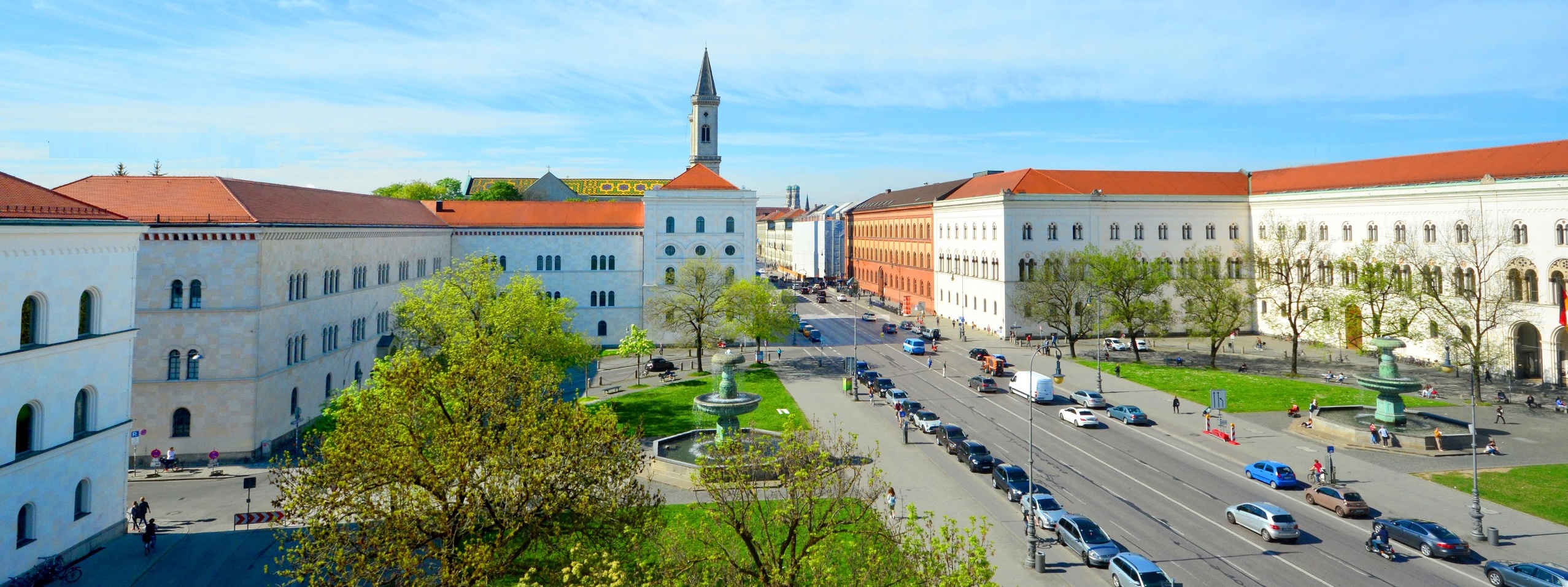
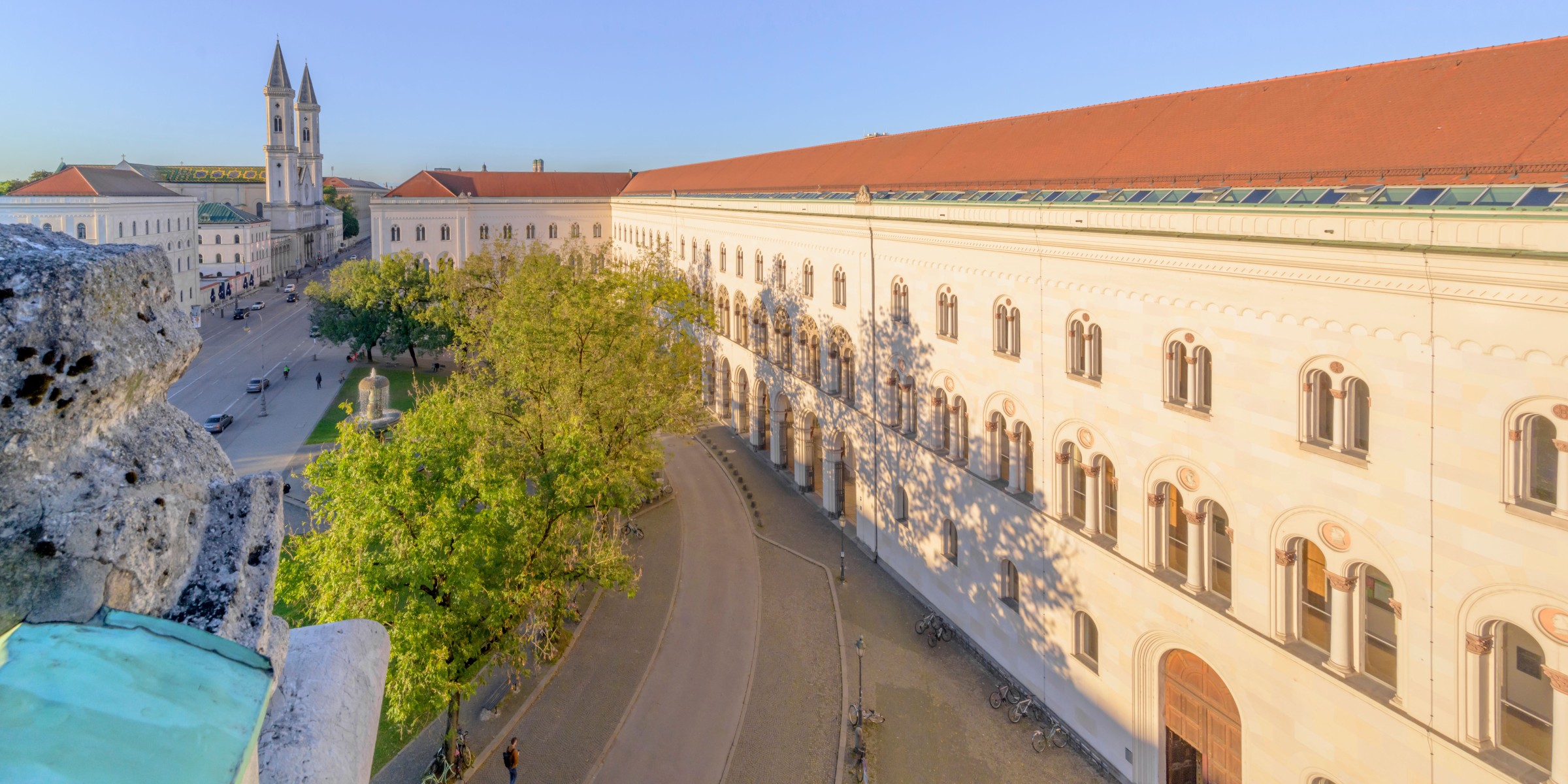
Ludwig Maximilian University of Munich (LMU Munich) is one of Germany’s leading comprehensive research universities and one of the most prestigious institutions in Europe. Located in Munich, it is internationally recognized for excellence in the humanities, social sciences, natural sciences, medicine, and interdisciplinary research.
History
LMU Munich was founded in 1472, making it one of the oldest universities in Germany. The university was originally established in Ingolstadt, later moved to Landshut, and finally relocated to Munich in 1826. Over centuries, LMU has developed a strong academic tradition and has played a significant role in the intellectual and scientific development of Europe.
Notable Alumni
LMU has produced and hosted many influential scientists, scholars, and cultural figures, including numerous Nobel Prize laureates. The university has had a major impact in fields such as philosophy, physics, medicine, literature, and the social sciences.
Strong Academic Fields
LMU is particularly strong in physics, chemistry, biological sciences, medicine, psychology, economics, law, philosophy, history, linguistics, and social sciences. It is especially known for its strength in fundamental research, as well as in life sciences and medical research.
Academic Structure
LMU Munich consists of multiple faculties covering humanities, social sciences, natural sciences, medicine, economics, and law. It offers a full range of undergraduate, master’s, and doctoral programs, supported by graduate schools and interdisciplinary research centers.
Distinctive Features
LMU stands out for its long academic tradition, broad disciplinary scope, and strong emphasis on fundamental research. It is part of Germany’s Excellence Initiative, and plays a key role in the Munich research ecosystem together with the Technical University of Munich (TUM) and numerous research institutes.
Admissions
Admissions at LMU vary by program. For international students, most undergraduate programs are taught in German and typically require strong German language proficiency (such as TestDaF or DSH). At the master’s level, a number of English-taught programs are available. Applications generally require academic transcripts, language test scores, and supporting documents. Highly competitive programs such as medicine and psychology may involve additional selection procedures and limited admission quotas.