Overview
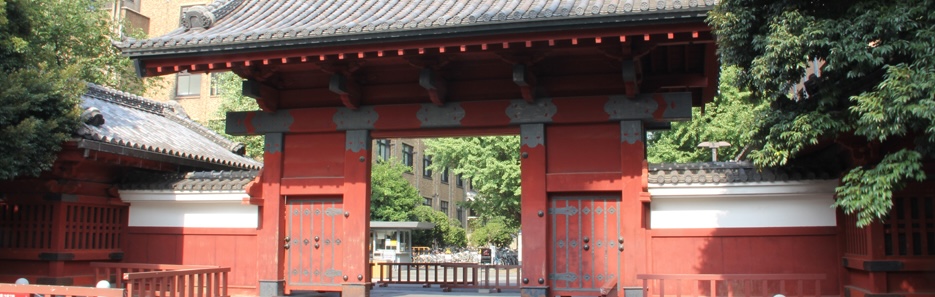
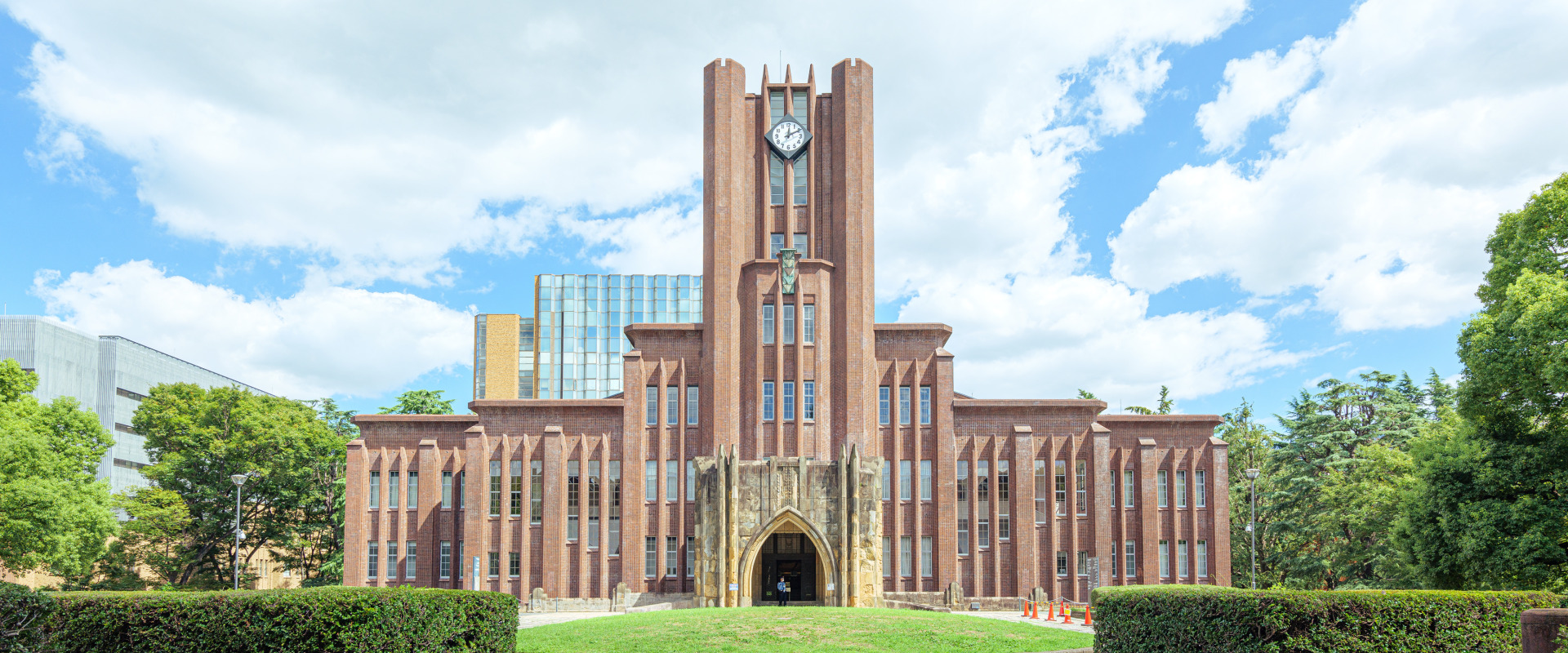
The University of Tokyo (UTokyo) is Japan’s most prestigious comprehensive research university and one of the leading institutions in Asia and the world. Located in Tokyo, it has strong global recognition across natural sciences, engineering, humanities, social sciences, medicine, and interdisciplinary research fields.
History
Founded in 1877, the University of Tokyo was the first national university established in modern Japan. It has played a foundational role in the development of Japan’s higher education system and has long been central to the country’s scientific advancement and talent cultivation. Over time, UTokyo has evolved into a world-class research university with a strong emphasis on academic excellence and global engagement.
Notable Alumni
UTokyo has produced many influential figures in academia, government, business, science, and culture. Its alumni include Nobel Prize winners, senior government officials, leading researchers, and major industry figures, reflecting its strong influence across multiple sectors in Japan and internationally.
Strong Academic Fields
The University of Tokyo is particularly strong in physics, chemistry, mathematics, computer science, artificial intelligence, electrical engineering, mechanical engineering, materials science, civil engineering, architecture, life sciences, medicine, economics, law, and social sciences. It is well known for combining fundamental research with innovation and interdisciplinary collaboration.
Academic Structure
UTokyo consists of multiple faculties and graduate schools covering humanities, sciences, engineering, medicine, agriculture, law, economics, and interdisciplinary studies. It offers a full academic pathway from undergraduate to doctoral education. The university also provides international programs, including English-taught programs such as PEAK at the undergraduate level and various graduate programs in English.
Distinctive Features
UTokyo is known for its rigorous academic culture, strong research capacity, and increasing internationalization. It plays a key role in Japan’s policy, technological innovation, and academic leadership. The university maintains particular strengths in AI, materials science, life sciences, environmental research, and social systems.
Admissions
Admission to UTokyo is highly competitive. For international students, undergraduate admission is mainly through the PEAK (Programs in English at Komaba), which offers a limited number of English-taught programs. At the graduate level, UTokyo provides a broader range of English-taught programs, and applicants are typically required to demonstrate strong academic preparation, language proficiency (English or Japanese), and research potential. Requirements and procedures vary by faculty and program, and some programs require prior contact with a supervising professor.