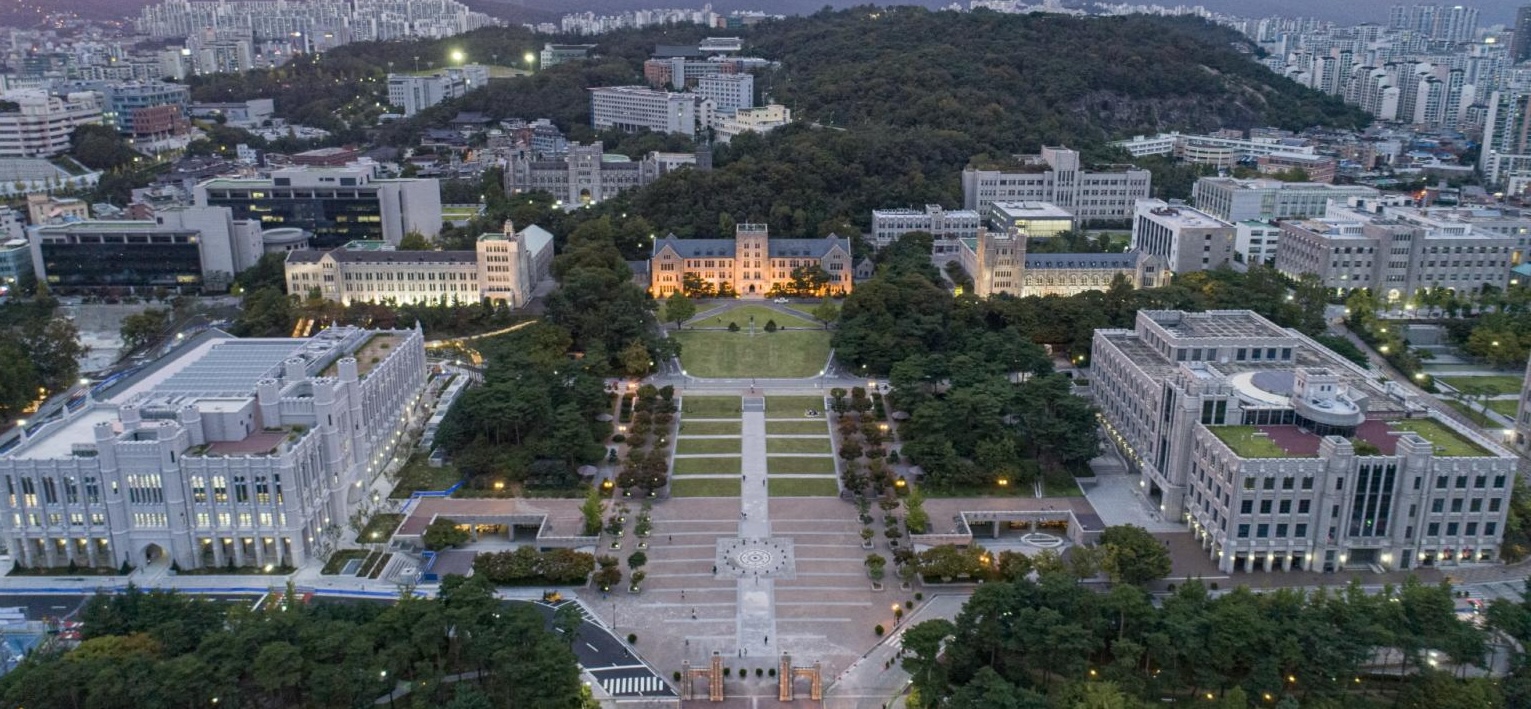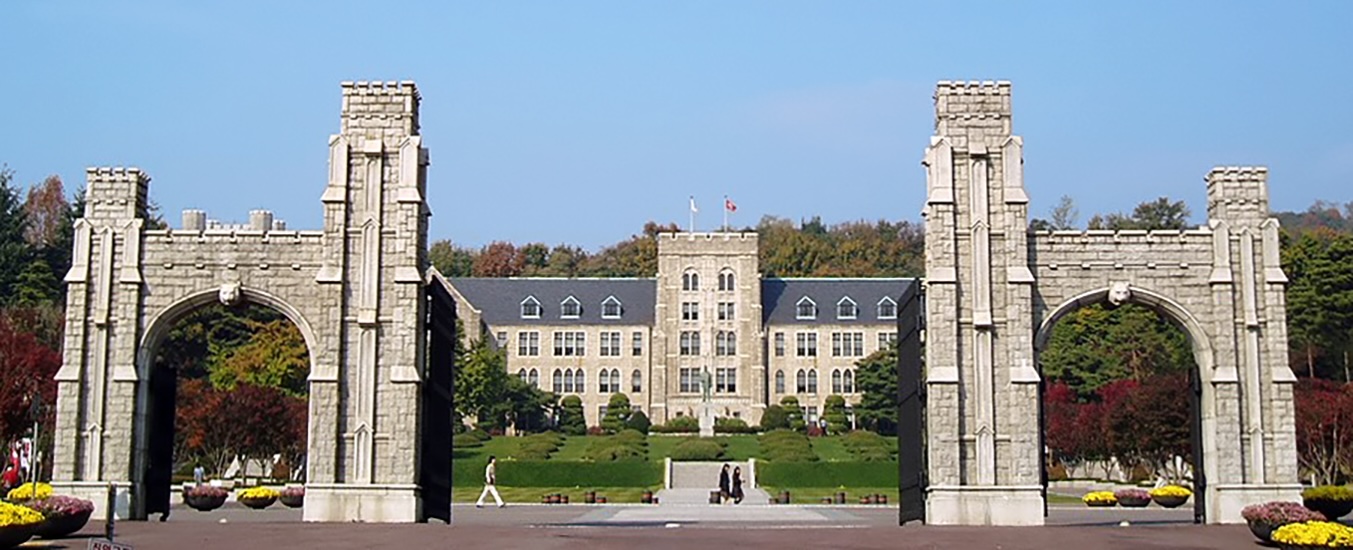
Overview
Korea University (KU) is one of South Korea’s most prestigious private comprehensive research universities and one of the country’s most influential higher education institutions. Located in Seoul, it is especially well known for strengths in business, law, social sciences, engineering, computer science, life sciences, medicine, and internationally oriented education.
History
Korea University traces its origins back to Bosung College, founded in 1905. According to official university-related historical materials, the institution was established with the idea of saving the nation through education and later developed into today’s Korea University. It is therefore regarded as one of the most important representatives of modern private higher education in Korea.
Notable Alumni
As one of Korea’s most socially influential universities, KU has educated many prominent figures in government, business, law, academia, media, and science and technology. Its graduates have long played important roles in Korean society and beyond, reflecting the university’s strong reputation in elite education.
Strong Academic Fields
Korea University is particularly strong in business, economics, law, political science, social sciences, computer science, engineering, life sciences, biotechnology, medicine, nursing, and international studies. The university combines traditional strength in the humanities, social sciences, business, and law with growing capacity in engineering, computing, and global education.
Academic Structure
According to KU’s official Undergraduate Schools page, the university includes multiple undergraduate schools, such as Korea University Business School, the College of Liberal Arts, the College of Life Sciences and Biotechnology, the College of Political Science & Economics, the College of Science, the College of Engineering, the College of Medicine, the College of Education, and the College of Nursing. At the graduate level, admissions are handled by individual graduate schools through separate admissions information pages.
Distinctive Features
KU stands out for its long history, strong social prestige, and increasingly international academic profile. Its official university overview emphasizes both theoretical scholarship and applied research, together with the training of talent needed for the development of society and the nation. It also offers internationally oriented programs such as the Division of International Studies (DIS), the Division of Global Korean Studies (DGKS), and the Graduate School of International Studies (GSIS).
Admissions
International undergraduate admissions at Korea University are generally handled by the Office of International Affairs at the Seoul campus, with official contact details and admissions guidance provided on the university website. The university also states that the Division of Global Korean Studies (DGKS), established in 2022, is one of its undergraduate options for international students. Graduate admissions are generally handled by the respective graduate schools; for example, the GSIS admissions page states that it opens admission twice a year, with spring admission starting around April and fall admission starting around October. Requirements vary by program and may include academic records, language qualifications, and other supporting documents.