Overview
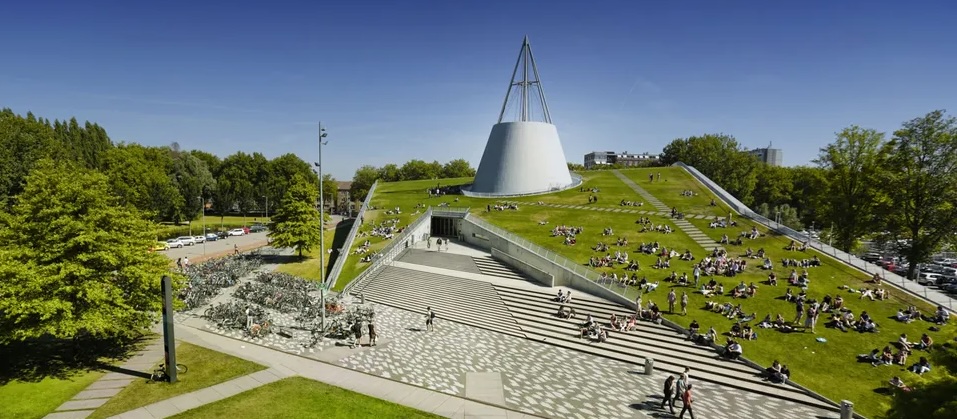
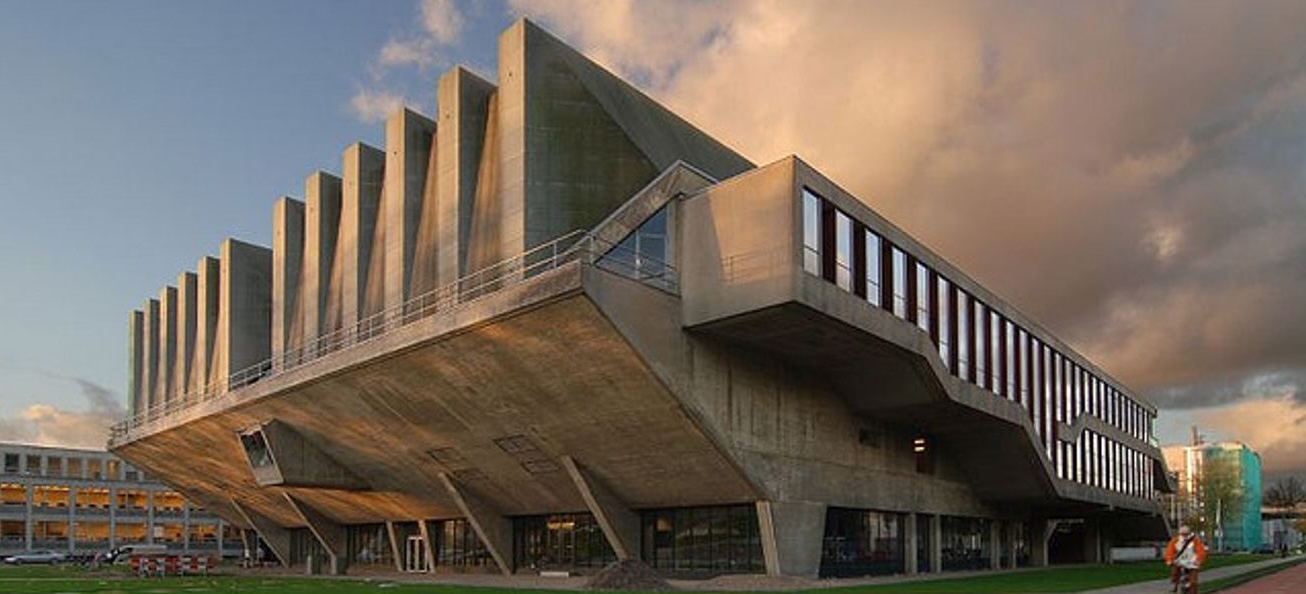
Delft University of Technology (TU Delft) is the leading university of technology in the Netherlands and one of Europe’s most respected engineering and technology institutions. Located in Delft, it is especially well known for engineering sciences, architecture, aerospace, computer science, civil and environmental engineering, design, mathematics, and applied sciences.
History
TU Delft traces its origins back to 1842. According to the university’s official history, King Willem II founded the Royal Academy in Delft in 1842 as the first civil engineering academy in the Netherlands, with the purpose of educating engineers. Over time, that institution evolved into what is now Delft University of Technology.
Notable Alumni
As the Netherlands’ oldest and most prominent technical university, TU Delft has educated many influential engineers, architects, designers, technology leaders, and infrastructure specialists. Its graduates have long played important roles in Dutch and European engineering, water management, aerospace development, and technological innovation.
Strong Academic Fields
TU Delft is particularly strong in aerospace engineering, architecture and the built environment, civil engineering, mechanical engineering, electrical engineering, mathematics, computer science, industrial design engineering, applied sciences, and technology, policy and management. Its academic profile covers nearly the full spectrum of engineering sciences, with strong visibility in areas such as AI, robotics, quantum technologies, energy transition, and sustainable infrastructure.
Academic Structure
According to TU Delft’s official faculties information, the university is organized into eight faculties and accommodates almost 40 technological and scientific disciplines together with many specialisations. The listed faculties include Architecture and the Built Environment, Electrical Engineering, Mathematics & Computer Science, Aerospace Engineering, and several other major engineering and science divisions.
Distinctive Features
TU Delft stands out for its strong engineering identity, advanced research environment, and emphasis on technological innovation with societal impact. The university’s official Innovation & Impact page describes TU Delft Campus as an international breeding ground for innovation in Robotics, AI, Quantum, MedTech, and the Energy Transition. This close connection between research, entrepreneurship, and industry is one of TU Delft’s defining strengths.
Admissions
Admission to TU Delft can be highly competitive, especially in popular engineering fields. According to the university’s official bachelor’s overview, TU Delft offers four bachelor’s programmes taught entirely in English, while twelve bachelor’s programmes are taught in Dutch. In addition, the official BSc international admissions page notes that programmes such as Aerospace Engineering, Architecture, Urbanism and Building Sciences, and Industrial Design Engineering have a maximum number of students. International applicants therefore need to pay close attention to language of instruction, diploma requirements, and programme capacity limits.