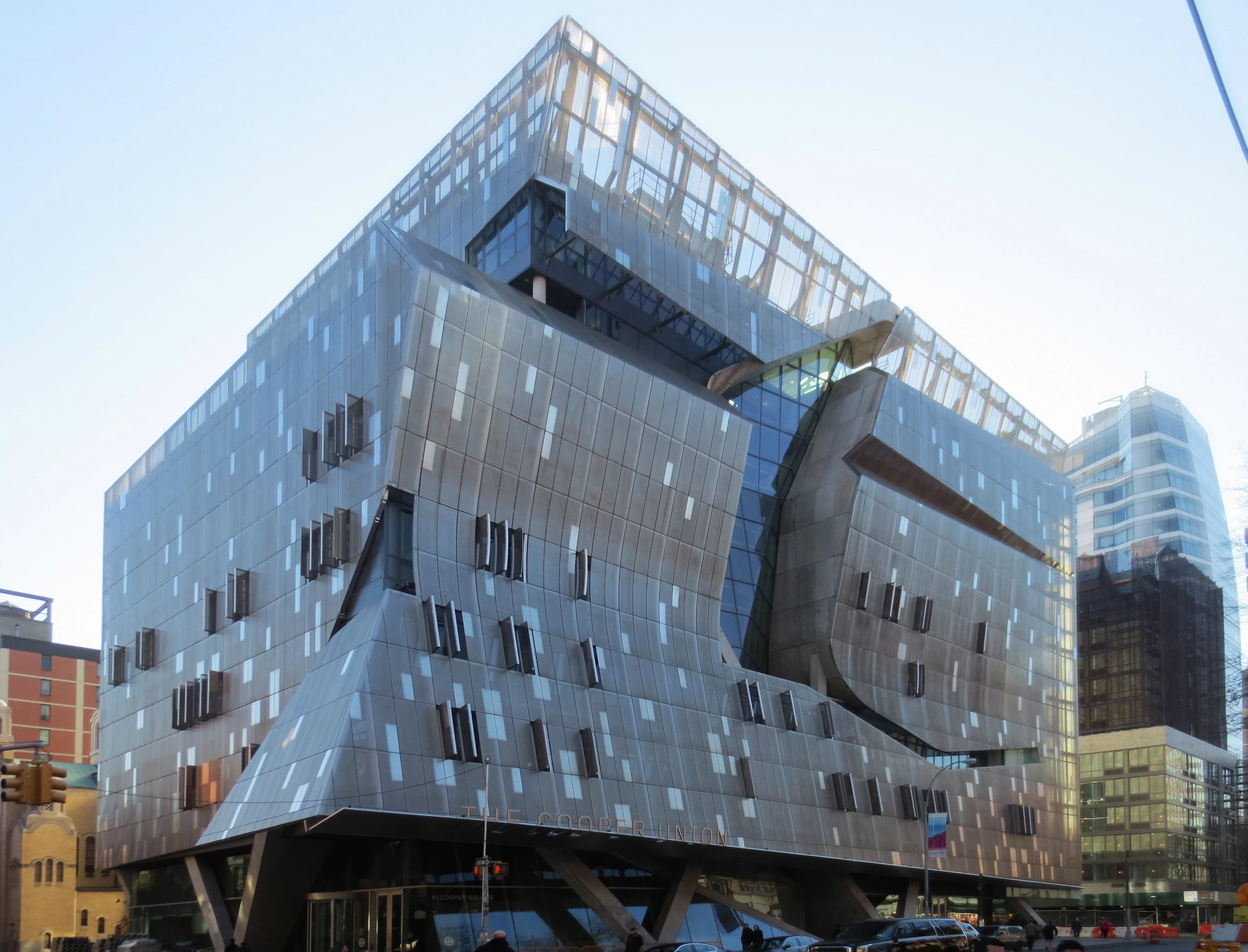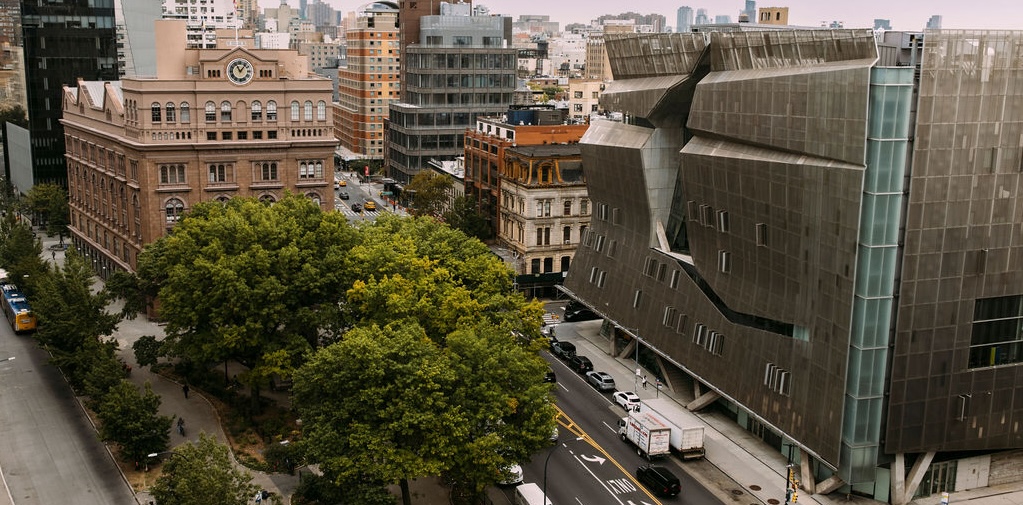
Overview
The Cooper Union for the Advancement of Science and Art is located in Manhattan’s East Village in New York City. Founded in 1859 by Peter Cooper, the institution is known for its rigorous undergraduate education in architecture, art, and engineering. Its mission emphasizes maintaining a free center of learning and civic discourse, preparing students to address critical challenges of their time with creativity and impact.
1. History
The Cooper Union was founded in 1859 by inventor, industrialist, and philanthropist Peter Cooper. From its inception, the institution carried a strong sense of public purpose and idealism, focusing not only on professional training but also on civic discourse and social responsibility.
The historic Great Hall has been an important venue for public thought and social movements in the United States. In 1909, the first public meeting of the NAACP was held there, and labor movements were also organized in the space. Distinguished figures such as Henry James, Mark Twain, and Salman Rushdie, along with seven U.S. presidents (past or future), have delivered speeches in this hall.
2. Alumni
Although small in size, Cooper Union has an outsized influence through its alumni, particularly in design, art, architecture, and engineering. Notable alumni include Milton Glaser, Alex Katz, Wangechi Mutu, and Audrey Flack.
The institution also has deep connections with American visual culture and the design industry. For example, several founders and key members of Push Pin Studios—including Seymour Chwast, Reynold Ruffins, Edward Sorel, and Milton Glaser—are Cooper Union graduates.
3. Strong Academic Areas
Cooper Union’s academic focus is highly concentrated in three core areas: Architecture, Art, and Engineering. Its undergraduate programs are structured entirely around these disciplines.
Architecture
The Irwin S. Chanin School of Architecture offers a five-year Bachelor of Architecture program, which is one of the institution’s most iconic programs. It is widely recognized for its intensive studio culture and strong presence in New York’s architectural education scene.
Art
The School of Art is one of the most selective art schools in the United States. Located in Manhattan’s East Village, it emphasizes a balance of creation, critique, discussion, and exhibition.
Engineering
The Albert Nerken School of Engineering offers undergraduate programs in chemical, civil, mechanical, and electrical engineering. All programs are ABET-accredited, providing strong foundational and professional training in engineering.
4. Academic Structure
Cooper Union’s undergraduate education is organized around three schools:
Irwin S. Chanin School of Architecture
School of Art
Albert Nerken School of Engineering
Despite its small size, the institution emphasizes intensive training, project-based learning, and close faculty-student interaction. It is also recognized as an all-honors college.
5. Distinctive Features
Highly Selective and Specialized
Cooper Union is known for being small, highly selective, and deeply specialized. According to recent data, the overall acceptance rate is approximately 11%, with Architecture at 4%, Art at 8%, and Engineering at 16%.
Prime New York City Location
Located in Manhattan’s East Village, the university provides exceptional access to cultural, artistic, and professional opportunities. The city itself serves as an extension of the classroom.
Distinctive Scholarship Model
All undergraduate students receive a half-tuition scholarship, currently valued at approximately $22,275 per year. Additional need-based financial aid may be available, and certain senior-year tuition benefits may apply.
Intensive Academic Experience
Cooper Union offers a highly demanding and immersive educational experience. Its programs are rigorous and project-driven, especially in architecture and art, where the institution is widely regarded as both highly selective and academically challenging.
6. Admissions
Cooper Union offers undergraduate programs in Art, Architecture, and Engineering, and all admitted students receive a 50% tuition scholarship.
Recent admissions data indicate:
Overall acceptance rate: 11%
Architecture: 4%
Art: 8%
Engineering: 16%
This suggests that Cooper Union is best suited for applicants with a clear academic focus and strong commitment to their chosen field. Applicants to Art and Architecture programs should pay particular attention to portfolio quality and creative alignment, while Engineering applicants should demonstrate strong quantitative preparation.