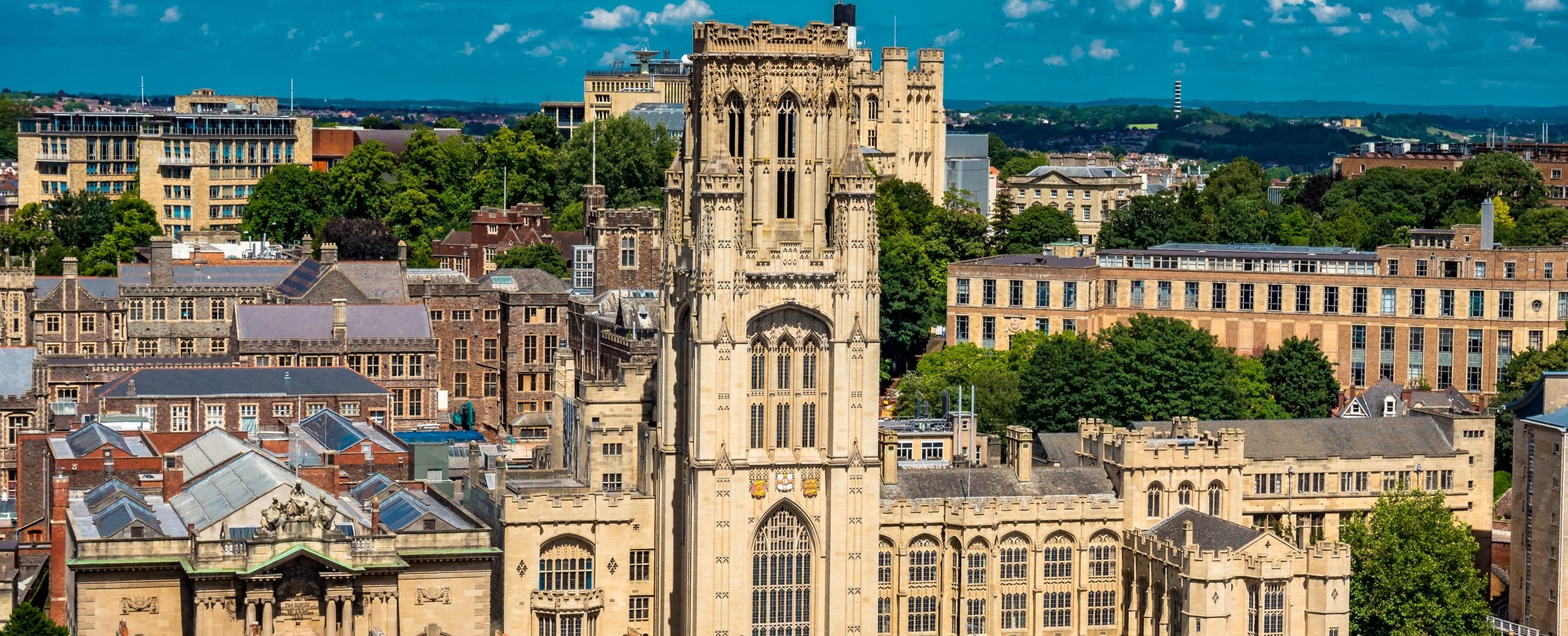
History
The University of Bristol is one of the United Kingdom’s leading research universities, with roots in the civic higher education movement of the nineteenth century. Its origins lie in University College, Bristol, which was founded in 1876, and the university received its royal charter in 1909. From the beginning, Bristol developed a strong reputation for combining academic excellence with a sense of public purpose, and it remains one of the UK’s most respected research-intensive institutions.
Notable Alumni
The University of Bristol has produced many distinguished alumni across politics, literature, science, media, and public life. Well-known names associated with Bristol include Angela Carter, Simon Pegg, David Walliams, Anne McClain, and other influential figures in academia, business, broadcasting, and the arts. This wide range of alumni reflects the university’s strong academic breadth and cultural influence.
Strong Subjects
Bristol is especially well known for engineering, computer science, mathematics, physics, chemistry, economics, law, politics, sociology, education, and a wide range of arts and humanities subjects. The university also has a strong international reputation for interdisciplinary research and is widely recognised for excellence in both STEM and social science fields.
Academic Structure
The University of Bristol is organised into three faculties: Arts, Law and Social Sciences; Health and Life Sciences; and Science and Engineering. These faculties include a wide range of schools and departments, creating strong opportunities for both subject depth and interdisciplinary collaboration.
Distinctive Features
One of Bristol’s defining features is the way it combines the academic intensity of a major research university with the character of a student-focused city. It is known for strong research, high academic standards, and an intellectually engaged student culture. Bristol also stands out for the breadth of its disciplines, its emphasis on innovation, and its reputation as one of the most attractive student cities in the UK.
Admissions
Undergraduate admission to Bristol is competitive and highly course-specific. The university uses detailed admissions statements for each course, setting out the selection criteria and how applications are assessed. Depending on the course, Bristol may consider academic qualifications, predicted grades, GCSE performance, personal statements, references, admissions tests, interviews, portfolios, or other relevant evidence. Meeting the entry requirements allows an applicant to be considered, but does not guarantee an offer.
Summary
The University of Bristol is a globally respected, research-intensive university with strong academic breadth, a historic civic mission, and a vibrant student environment. It is especially attractive to students who want high academic standards, a wide range of strong disciplines, and the experience of studying in one of the UK’s leading university cities.