History
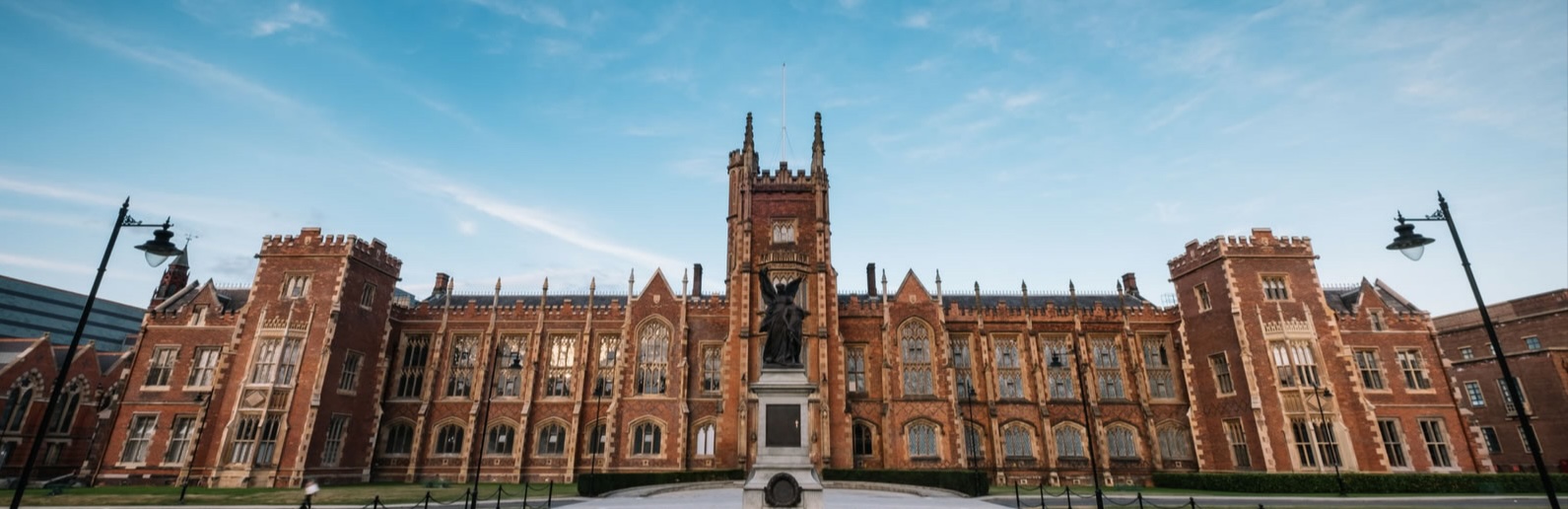
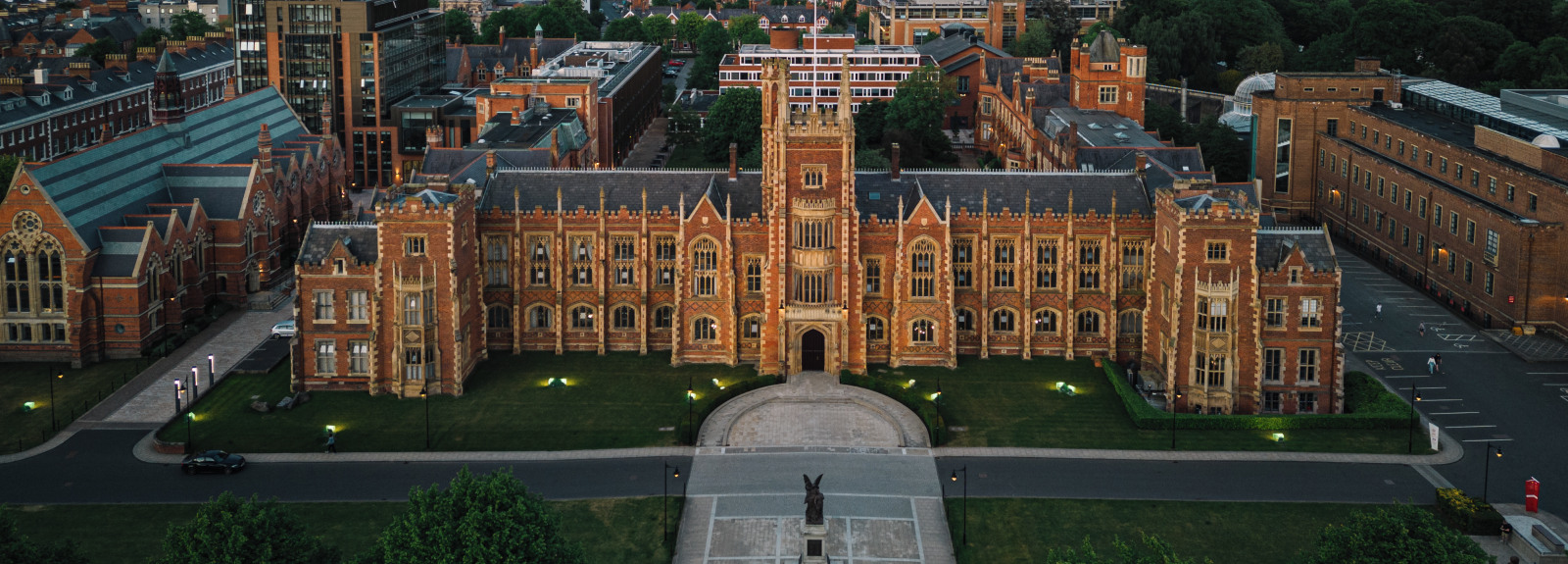
Queen's University Belfast is one of the leading universities in the UK and Ireland, with a distinguished history that dates back to 1845. It was founded as Queen’s College Belfast and became an independent university in 1908. Over time, it developed from a nineteenth-century civic institution into a globally recognised, research-intensive university.
Notable Alumni
Queen’s has a strong and influential alumni tradition across literature, medicine, politics, law, and public life. Notable figures associated with the University include Seamus Heaney, Mary McAleese, and Professor Frank Pantridge, reflecting Queen’s long-standing impact in both intellectual and public spheres.
Strong Subjects
Queen’s is especially well known for medicine, dentistry, pharmacy, nursing, law, business, politics and international studies, engineering, computer science, physics, chemistry, and a wide range of humanities and social sciences. Its academic strengths are reflected in the breadth of its course portfolio and in the prominence of its graduates and researchers.
Academic Structure
The University is organised into three faculties: Arts, Humanities and Social Sciences; Engineering and Physical Sciences; and Medicine, Health and Life Sciences. Across these faculties, Queen’s has 15 schools, giving it both subject depth and broad academic coverage.
Distinctive Features
One of Queen’s defining features is the way it combines historic heritage with a modern Russell Group research identity. Based in Belfast, it has a strong civic mission, an increasingly international outlook, and a reputation for combining research excellence with a student-centred ethos. Its identity is also shaped by its role in the intellectual, social, and cultural life of Northern Ireland.
Admissions
Undergraduate admission to Queen’s is competitive and course-specific. Applications are normally made through UCAS, and the University considers academic qualifications alongside the wider application. Depending on the course, the personal statement, academic reference, and predicted grades may be noted and may matter more strongly in tie-break or competitive decision contexts. Some professional programmes may also place additional emphasis on relevant experience or interview performance.
Summary
Queen’s University Belfast is a research-led, globally connected university with deep historical roots, broad academic strengths, and a strong civic identity. It is especially attractive to students seeking academic ambition, research quality, and the opportunity to study in one of the UK and Ireland’s leading universities.